The phrase “Botox facial” gets tossed around a lot, and it means different things to different people. Some clinics use it to describe conventional facial botox therapy: targeted botulinum toxin injections into forehead lines, frown lines, and crow’s feet to soften expression wrinkles. Others offer microinjections placed very superficially across the face, sometimes called micro-Botox or “baby botox,” to lightly reduce oil, smooth texture, and gently relax fine lines without the frozen look. A few practices mix botulinum toxin into a microneedling serum, which is something else entirely and not FDA approved as a method of delivery. Sorting out these nuances matters, because the ideal candidate, the dosage, the risks, and the maintenance all depend on what you are actually receiving.
I have spent years evaluating faces in motion, watching how expressions crease skin, and counseling patients on both cosmetic botox and medical botox. Good results come down to three factors: anatomy, goals, and judgment. Anatomy drives where and how much botulinum toxin is placed. Goals determine whether we aim for a subtle refresh or a stronger wrinkle reduction. Judgment keeps dosing safe, natural, and tailored to each person’s baseline muscle activity.
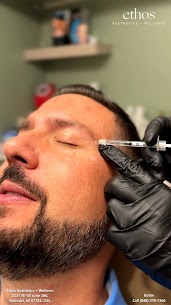
This guide lays out who tends to do well with a facial botox option, who should think twice, and how to approach a botox consultation like a savvy consumer. You will find details on typical dosing ranges, what “preventive botox” actually accomplishes, how long results last, and when botox injections should be deferred for safety.
What a Botox “Facial” Really Treats
Botulinum toxin temporarily relaxes selected facial muscles, which reduces the folding of skin that creates dynamic lines. If you scowl, you see that vertical “11” between the brows. If you squint, the lateral eye creases deepen. If you lift your brows, the horizontal forehead lines pop. Wrinkle botox targets those expression patterns. By decreasing the frequency and intensity of the folds, the skin gets a break. Over several cycles, shallow lines can soften further because you are no longer etching the same crease every day.
Standard facial botox focuses on:
- Frown lines, also called glabellar lines, between the eyebrows Forehead lines that appear when you raise the brows Crow’s feet at the outer corners of the eyes
Many patients also ask about bunny lines on the nose, small chin dimples, or downturned mouth corners from the depressor anguli oris muscles. These are optional add-ons that a best botox procedures certified botox injector may treat if they fit your goals and anatomy.
Micro-Botox or baby botox refers to very small doses spread across wider areas. With baby botox, the goal is subtle botox results with preserved movement. It is a favorite in patients who want a natural looking botox finish and minimal downtime. Micro-Botox, placed more superficially, can also slightly reduce oiliness and pore appearance. This is technique sensitive and not ideal for deep lines, but it contributes to a smoother skin finish.
A separate category is medical botox, which treats conditions like teeth grinding, chronic migraine, or hyperhidrosis. Those involve different muscles, different botox dosage patterns, and different expectations. This article focuses on cosmetic botox for facial lines.
Ideal Candidates: When Botox Fits
Candidates who get the best cosmetic botox results share a few traits. First, their lines are primarily dynamic, meaning they appear with expression and are only faint at rest. Second, their brow and eyelid position is stable. Third, they want a softer, refreshed look rather than a dramatic change.
You are likely an excellent candidate for facial botox if your main concerns are the “11s” between the brows, a fan of crow’s feet that creases when you smile, or horizontal forehead lines that read as stress or fatigue. I often meet patients in their early thirties seeking preventive botox, and they are typically good fits when fine lines are just starting to show. A couple of well-placed units every 3 to 4 months can slow the deepening of those lines, especially for expressive personalities or outdoor professionals who squint all day.
There is also a group in their forties and fifties whose skin has durable elasticity but shows deepened expression lines from years of activity. For them, botox injections can soften motion and reduce the daily etching that exaggerates wrinkles. Expect smoother crow’s feet and less harsh frown lines after a standard botox procedure. Deep static lines, the ones that remain even when the face is still, may need adjuncts like microneedling, laser resurfacing, or hyaluronic acid filler for best outcomes, but botox still plays a key role by reducing the mechanical stress that keeps the crease alive.
A quick, real-world example: a marketing executive who spends hours presenting found her eyebrows involuntarily lifted during calls, which carved forehead lines. She wanted natural looking botox with maintained expression. We used a baby botox pattern across the forehead with careful attention to the frontalis muscle balance. She kept the ability to animate while the lines softened. After two cycles, colleagues said she looked well-rested, not “done.”
What Counts as a Contraindication
With botox safety, absolute contraindications are short, but important. You should not receive botulinum toxin injections if you have a known allergy to botulinum toxin or to any component in the formulation. A history of anaphylaxis to botox is rare, but it stops the conversation. Active infection or inflamed skin at the injection sites is a temporary stop sign. We wait until the skin is calm and intact.
Relative contraindications require a conversation with your botox provider. Neuromuscular junction disorders such as myasthenia gravis, Lambert-Eaton syndrome, or ALS increase risk for exaggerated muscle weakness. Certain antibiotics, particularly aminoglycosides, can potentiate the effect of botulinum toxin. Pregnancy and breastfeeding remain exclusions in cosmetic practice because we do not have definitive safety data, so most clinics defer elective botox treatment until after that period. If you have a history of keloids at facial injection sites, that is uncommon, but a careful plan is wise.
There is a gray zone involving heavy brow ptosis or very hooded eyelids. In these faces, the frontalis muscle is doing a lot of work to lift the brows and clear the visual field. Weakening it with forehead botox can drop the brows further, which patients dislike. Skilled injectors sometimes treat the glabella and crow’s feet first, then reassess forehead dosing conservatively. If the brow rests low at baseline and the skin is thin, I will often decline forehead botox or set expectations that line reduction may be partial to preserve function.
The Consultation: Reading a Face in Motion
A thorough botox consultation is a mini anatomy lesson. You should be asked to frown, squint, smile, and raise the brows. The provider should palpate the muscles and watch how your left and right sides differ. We also review your medical history, medications, supplements, previous botox appointments, and what you liked or did not like about earlier treatments.
Expect a plan that names the muscles, provides a unit estimate, and anticipates outcomes. Many clinics use onabotulinumtoxinA (commonly called Botox), and others may offer abobotulinumtoxinA or incobotulinumtoxinA. These are different brands with different unit potencies. If you ask about botox price and botox cost, get the details: cost per unit, estimated units per area, and whether follow-up touch ups are included. Top rated botox clinics are transparent about this and do not oversell units that your face does not need.
I always discuss trade-offs. Stronger dosing in the glabella can prevent scowling even under bright sun, but if you frequently rely on small eyebrow movements for expression, you may prefer a more subtle botox effect. Likewise, heavy crow’s feet treatment softens the fan of lines but can change how the cheeks lift during a big smile. The art is to dial in a result that matches your expressive personality.
Dosing Ranges and Technique: What the Numbers Mean
The classic clinical trials for glabellar lines used around 20 units of onabotulinumtoxinA divided across five points. Forehead botox commonly ranges from about 6 to 20 units, depending on the muscle strength and the need to maintain brow position. Crow’s feet typically run about 6 to 12 units per side. These numbers are not rules; they are starting points. Athletic individuals, frequent squinters, and people with heavier corrugator muscles may need modestly higher doses. Baby botox patterns might use 10 to 20 total units spread thinly across the upper face.
Technique matters as much as dosage. The direction of a corrugator muscle fiber, the surface anatomy of the supraorbital notch, and the brow-lid complex all guide safe needle placement. A certified botox injector will show respect for danger zones, especially inferior and medial to the lateral eyebrow, where an overly deep injection can increase the risk of eyelid ptosis. The needle angle, depth, and small-volume aliquots all reduce diffusion beyond the target.
Patients sometimes Holmdel botox ask for the “best botox” or the most “trusted botox.” The truth is, outcomes depend more on the injector’s judgment and experience than the brand name. I would rather see a patient treated with modest units by a thoughtful provider than someone who chases botox deals without anatomic precision.
How Long It Lasts, and What Maintenance Looks Like
How long does botox last? In the upper face, plan on 3 to 4 months on average. Some see meaningful botox longevity of up to 5 or 6 months, particularly after repeat botox treatments build a rhythm. The first session often gives a shorter duration than subsequent sessions. Your nervous system rebuilds the neuromuscular junction over time, so the effect naturally fades. This is why botox maintenance is a cycle, not a one-time fix.
Think about maintenance in terms of the lines you most want to suppress. If your main stress is the frown line, keeping the glabella quiet 3 or 4 times per year can prevent that crease from deepening. If you are on-camera often and rely on expressive brows, you may alternate stronger glabellar treatments with lighter forehead touch ups. A botox touch up might be offered within 2 to 3 weeks if a small area still moves more than desired, though the need for touch ups drops once your injector learns your dosing sweet spot.
The before and after arc looks like this: minimal change in days 1 to 2, noticeable softening by day 4 to 7, peak smoothness by about 2 weeks, then a gradual return of motion by month 3. Most patients prefer scheduling the next botox appointment when they notice movement returning rather than waiting for full strength to come back. This keeps the lines softer overall and avoids restarting from zero.
Side Effects, Risks, and How We Reduce Them
Botox safety as practiced in reputable clinics is high. The most common side effects are mild and transient: tiny red bumps at injection sites that resolve within an hour, a small bruise, a slight headache in the first day or two. Bruising risk rises with certain supplements and medications. Arnica can help, but the most effective strategy is a careful needle technique and pressure application right after each injection point.
Uncommon but real risks include eyelid ptosis, eyebrow heaviness, asymmetry, or a smile that feels off if toxin diffuses into non-target muscles. A competent injector mitigates these by respecting anatomy and staying conservative in areas where small changes matter, like the lateral brow. If light eyelid droop occurs, it is temporary and usually resolves as the effect fades. Apraclonidine eye drops can provide a modest lift while you wait.
There is also the question of resistance or reduced responsiveness. It is rare, but repeated high-dose exposure over many years can potentially lead to neutralizing antibodies. Rotation of products or using the minimum effective dose can reduce that risk. Most patients never encounter this issue, especially when staying within typical aesthetic dosing.
When Botox Is Not Enough, or Not the Right Tool
Static etched lines that remain even when you relax often need a dual approach. Botox injections reduce the movement that deepens the crease, but resurfacing or filler addresses the visible indentation. A forehead with leathery texture from sun exposure may benefit from a series of fractional lasers or microneedling with radiofrequency. Deep glabellar grooves sometimes respond to a conservative, flexible filler placed at the proper depth, followed by routine botox to protect the area from repeated folding. The order matters: calm the muscles first, then resurface or fill.
Volume loss is another limit. If the brow is hollowed and the temples are concave, thinning tissues can make lines appear harsher. Botox therapy will not fix volume loss. Strategic filler in the temples or brow tail, or even a surgical brow lift, might be indicated for structure. In patients with heavy eyelid skin, botox can sometimes make the lid feel heavier if we over-relax the frontalis. Those patients either need conservative forehead dosing or a different plan entirely.
The “Preventive Botox” Question
Preventive botox works under one condition: you are targeting expression patterns that would otherwise etch lines into the skin over time. It does not change genetics, sun exposure, or collagen baseline, but it removes a constant mechanical stressor. If you scowl when you read, or you find yourself squinting a lot while driving, mild but steady botox can reduce the motion enough to slow crease formation.
I advise preventive botox only when the person already sees faint lines or knows a specific expression bothers them. A 28-year-old with a strong scowl pattern and early “11s” may benefit from a 10 to 20 unit plan two or three times per year. Someone with zero visible lines and low expressivity probably does not need it yet. Tailoring beats blanket rules.
Price, Deals, and Finding a Qualified Injector
Botox price varies by region, clinic experience, and brand. Expect ranges from moderate to premium for professional botox injections at a reputable botox clinic. Some places charge per unit, others per area. A fair per-unit fee with a clear estimate of units provides transparency. Beware of “affordable botox” ads that promise a full forehead for a suspiciously low flat fee. Those offers sometimes use unrealistic dosing, unlicensed injectors, or diluted product.
What you want is a trusted botox provider who spends time on assessment, explains botox dosage choices, and shows consistent botox before and after results that match your taste. Certifications help, but longitudinal results and patient referrals tell you more. A top rated botox practice will welcome questions and will not upsell you on areas you did not mention.
Here is a short checklist you can bring to any botox consultation:
- Ask which brand is used and why, and whether units or areas determine price. Request a muscle-by-muscle plan with estimated units and expected effect. Clarify policies on touch ups, follow-up timing, and management of asymmetry. Review your medical history, medications, and any prior botulinum toxin experience. Look at before and after photos of patients with similar anatomy and goals.
What to Expect on Treatment Day and After
A typical botox appointment lasts 15 to 30 minutes. Makeup is removed, the skin is cleaned, and sometimes a light topical anesthetic or ice is used. Markings may be placed to guide injection points. The injections themselves are quick, using a fine needle. Most patients describe them as pinches rather than pain.
After the botox procedure, you can go back to work or errands. Avoid heavy exercise, saunas, and facial massages for the rest of the day to minimize spread. Keep your head upright for a few hours. If a small bruise appears, concealer hides it nicely the next day. Results begin to show around day 3, with full effect by day 10 to 14. If an area feels under-treated at two weeks, a small touch up is often possible. If you are new to botox, plan your first session at least two weeks before big events so the outcome has time to settle.
Special Situations: Men, Athletes, and Older Skin
Men often need higher unit counts in the glabella and forehead because the corrugators and frontalis are bulkier. The goal remains a subtle, confident look rather than a flattened brow. I often leave a touch of forehead movement in male patients to preserve an expressive, natural finish. Communication about your job, whether you are in front of clients, and what “refreshed” means to you helps tune the plan.
Endurance athletes sometimes metabolize botulinum toxin’s effect a bit faster, likely due to baseline neuromuscular activity and blood flow patterns. Their botox longevity may sit closer to the 3-month mark. Planning maintenance around training and events keeps results consistent without surprises.
For mature skin with both dynamic and static wrinkles, botox effectiveness improves when combined with surface work. I have seen excellent results when we calm the motion first, then pursue gentle resurfacing sessions. Trying to solve etched lines with higher botox doses alone is a common misstep that leads to a heavy or unnatural look. Think layered approach rather than over-reliance on one tool.
Micro-Botox and Baby Botox: Where They Shine
Baby botox suits patients who fear the frozen look. We use smaller aliquots across more injection points, creating a diffuse, subtle relaxation. It is perfect for people on camera, first-timers, or those with low baseline lines who want prevention. Expect movement to remain, but the edges of expressions soften. For oily T-zones and mild pore visibility, micro-Botox placed very superficially can reduce sweat and sebum production a bit, lending a polished texture in the right candidate. It is not a substitute for a deep wrinkle reduction plan. Think of it as a smoothing treatment and a way to nudge sheen and texture.
Setting Realistic Expectations
A safe botox treatment should preserve your identity. Friends might say you look rested or ask about a new skin routine, not suspect injections. If you want to erase every line even when you squint hard in bright sun, botox alone may not deliver that, and chasing maximal smoothness risks odd expressions. The best outcomes blend subtle botox with smart skincare, sun protection, and, when needed, complementary procedures.
I always tell patients to judge botox results in four ways: how you look in neutral light, how you look during the expressions that bothered you most, how symmetrical you appear in photographs, and how you feel when speaking and smiling. If those four line up with your goals, you are in the right zone.
Common Myths, Clarified
Botox does not accumulate in your system forever. Its action is temporary at the neuromuscular junction, and your body rebuilds those connections. Conversely, stopping botox does not make you look worse. It simply allows your baseline muscle activity to return. The skin may appear more lined than during treatment because you are comparing it to the softened period, not because botox accelerated aging.
Another myth is that a single “big” session is better than steady maintenance. Most patients do better with consistent, modest dosing. It helps the brain adapt to a reduced scowl habit, and it avoids dramatic swings in expression. Finally, while there are botox specials and seasonal promotions, savings should never come at the cost of anatomy-driven technique and sterile practice standards.
How I Decide When to Decline Treatment
A credible botox specialist sometimes says no. I decline when the patient’s brow is already low and they want the forehead completely smooth, which would drop the brow further. I also hold off if there is an active rash, a cold sore outbreak near planned injection sites, an important speaking event the next day, or a medical history that raises red flags unaddressed by their physician. If the primary complaint is midface sagging or lower face jowling, botox is not the solution, and referring to a different modality is kinder and more effective.
Building a Thoughtful Plan
A well-designed facial botox option is not a template. It is a map made for your face. The plan notes your strong and weak muscle areas, specifies units and injection points, and anticipates how you animate in conversation. It evolves with you. After two or three cycles, we refine the dose to maintain balance while minimizing the treated feel.
For many, the sweet spot is a subtle brow lift from glabellar and lateral orbicularis oculi treatment, a gentle forehead smoothing that keeps some movement, and refined crow’s feet during a big smile. That recipe ages well, respects facial communication, and holds up on camera and in daylight.
If you are considering a botox facial option, take the time to find a provider who treats your concerns like a craft, not a sale. Bring photos of your face in motion if you have them, share what bothers you most, and ask direct questions about botox risks, botox side effects, and expected downtime. With the right partnership, cosmetic botox becomes a quiet tool in your routine, one that helps you look the way you feel without announcing itself to the world.
A final word on safety and satisfaction
No injectable is risk-free, but botox cosmetic injections earn their place in aesthetic care because they are predictable when done well. Start conservative, check in after two weeks, and keep notes on what you loved and what you would tweak. Small adjustments add up. Over time, the best botox treatment feels less like a procedure and more like maintenance, much like a tailored haircut that always fits.
For anyone unsure whether they are an ideal candidate, a thorough botox consultation with a trusted botox provider will answer the question quickly. If the practitioner watches your face in motion, speaks honestly about limits, and proposes a plan that protects function and expression, you are in good hands. If not, keep looking. Your face merits skill, and skill makes all the difference.